Yacht Hydraulic System Repair & Maintenance
Precision Engineering for Seamless Onboard Performance.
Maintaining the sophisticated hydraulic systems of a modern yacht requires specialized knowledge and precision. From the effortless deployment of a swimming platform to the critical balance provided by trim tabs, our team ensures every moving part of your vessel operates with smooth, reliable power. We provide comprehensive hydraulic yacht services designed to prevent leaks, avoid mechanical failure, and extend the life of your equipment.
Our technicians are experts in the repair, seal replacement, and fluid management of high-end marine hydraulic components, including:
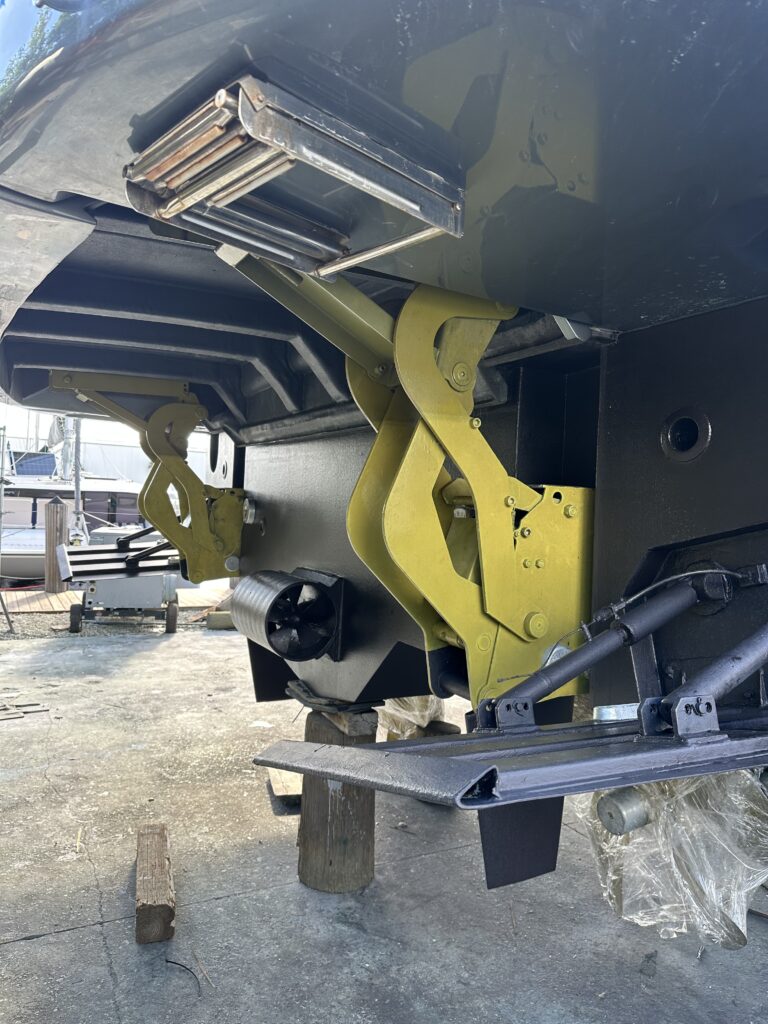
Hydraulic Swimming Platforms: Maintenance of lift mechanisms, cylinder resealing, and synchronized movement calibration.
Gangways & Passerelles: Troubleshooting structural stability, hydraulic hoses, and remote control integration for brands like Besenzoni and Opacmare.
Trim Tabs & Stabilizers: Precision tuning and leak detection for systems that ensure your vessel’s stability and fuel efficiency.
Garage Doors & Davits: Routine inspections of heavy-duty lift systems to ensure guest and crew safety during tender deployment.
The saltwater environment is the enemy of hydraulic seals and hoses. A minor leak can lead to:
System Failure: Total loss of function during a charter or voyage.
Environmental Risk: Oil spills in pristine waters that can lead to heavy fines.
Corrosion Damage: Saltwater intrusion into hydraulic pumps can necessitate a full system replacement.
| Component | Maintenance Task | Frequency | Impact on Performance |
|---|---|---|---|
| Seals & Fittings | Visual inspection for weeping or leaks | Weekly | Prevents catastrophic pressure loss and oil spills. |
| Hydraulic Fluid | Check level and clarity (color/contamination) | Monthly | Stops internal pump erosion from moisture/debris. |
| Sacrificial Anodes | Inspect and replace zincs on tabs/platforms | Quarterly | Protects expensive metal rams from galvanic corrosion. |
| Hydraulic Hoses | Check for “sweating,” cracks, or rubbing | Bi-Annually | Reduces risk of sudden hose bursts under heavy load. |
| System Flush | Drain, clean tank, and replace fluid/filters | Annually | Removes water and acids to extend system life. |
| Pumps & Motors | Amp-draw test and mounting bolt check | Annually | Ensures electrical components aren’t overheating. |
We provide mobile marine hydraulic services across all major marinas and private docks in the region. We serve all of South Florida.
Be the next one on
Google Reviews
FAQ
ask us
anything
Why is my swimming platform moving slowly or unevenly?
Slow or “stuttering” movement is usually caused by air in the system or low hydraulic fluid levels. If the platform moves unevenly, the hydraulic cylinders may be out of synchronization, or a spool valve could be partially blocked. We recommend a professional bleeding of the system and a pressure test to ensure both rams are receiving equal force.
Can I use automotive hydraulic fluid in my yacht?
No. Most marine systems require specific ISO VG15 or VG22 grade fluids that are designed for high-humidity environments and protect sensitive seals. Using the wrong fluid, like brake fluid, can cause seals to swell and fail, leading to expensive repairs. Always refer to your manufacturer (e.g., Besenzoni, Opacmare) or ask our technicians for the correct oil for your specific system.
What causes a hydraulic "HI PS" or High-Pressure error?
A high-pressure alarm often indicates a mechanical obstruction (like a bent bracket or marine growth) or a failed limit switch that isn’t telling the pump to stop once the platform is fully retracted. Forcing the system to run during this error can burn out the pump motor.
How often should I replace the hydraulic hoses on my passerelle?
While some hoses can last up to 10 years in perfect conditions, external marine hoses exposed to UV rays and salt spray should be replaced every 3 to 5 years as a safety precaution. If you notice “bubbling” on the hose surface or rusted end-fittings, replace them immediately to avoid a sudden burst under load.
Is it normal for my trim tabs to leave a small oil slick?
Absolutely not. Even a tiny iridescent sheen on the water indicates a leaking cylinder seal or a cracked hose. Beyond the environmental fines, this leak allows saltwater to enter your hydraulic lines, which will quickly corrode the pump and valves from the inside out.
We'd Love To Hear From You
contact us